The sports world has been rocked by a shocking statement from the women’s basketball team, which expressed its firm stance against competing against biological males. The controversy has sparked a debate about the inclusion of transgender athletes and the limits of equity in sports, particularly in disciplines where physical differences between genders can be more evident.

The team, which has been recognized for its success and dedication over the years, has stated that it does not consider it appropriate to compete against biological male teams or players, even if they have undergone gender transition. According to the players, competing against men could create a physical advantage that, in their opinion, would compromise the fairness of the sport. “We are not against the inclusion or participation of transgender people in sports, but it is not right to compete on equal terms with biological males who have a different physical structure,” they stated in an official statement.
This position has sparked heated debate, not only within the sports community but also in society at large. Advocates for the rights of transgender athletes argue that these athletes should have the right to compete in the category that corresponds to their gender identity, and that inclusion policies are essential to promoting equal opportunities. However, the women’s basketball team states that its goal is to ensure that competitions are fair and that women’s opportunities in sports are not jeopardized.
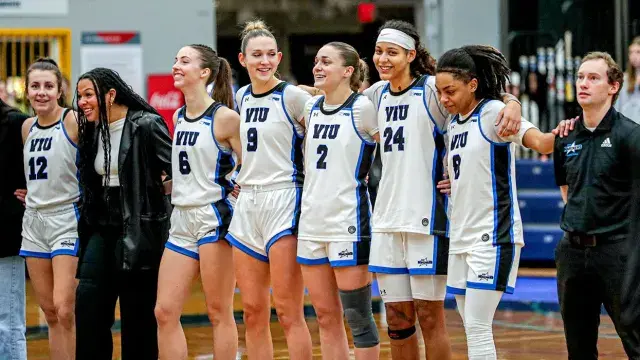
The debate has also reached other sports disciplines, where the presence of transgender athletes in women’s competitions has been questioned by some athletes. In the case of basketball, players have pointed out that, while they understand transgender athletes’ desire to compete, physical differences, such as muscle strength and average height, could offer unfair advantages. In its statement, the team asserted that sport should be a place where the rules are clear and fair for all participants.
On the other hand, some sports and health experts affirm that biology plays a crucial role in athletic competition, and that physical differences between men and women remain significant, even after transition. However, others argue that sports policies must evolve to adapt to changing social and scientific realities, seeking a solution that allows trans athletes to compete fairly without affecting the women’s categories.
This topic will continue to be a topic of debate in sports, as more and more federations and international organizations face the task of creating inclusive policies that respect the rights of all athletes without compromising competitiveness and equality in sport. What is clear is that sport continues to be a reflection of broader societal tensions, and finding a balance between inclusion and equity will be one of the greatest tests for future generations of athletes.